Haiti Facts: The Country, Its People, and Its Needs
These Haiti facts give a quick picture of the country where Love Haiti Mission has worked since 1995. Haiti covers the western one-third of the island of Hispaniola, which it shares with the Dominican Republic. It is considered the poorest country in the Western Hemisphere. Where a figure is a dated national estimate, the year is shown with it.
How Much Do Most Haitians Live On Per Year?
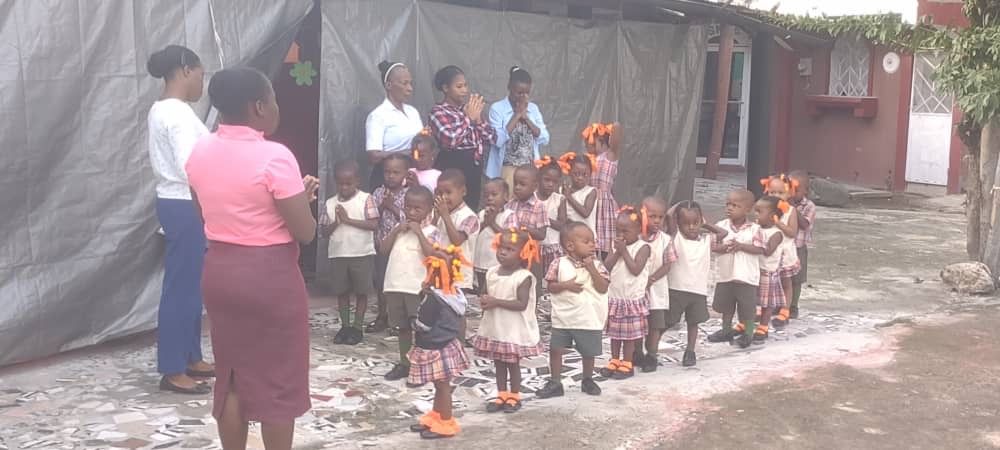
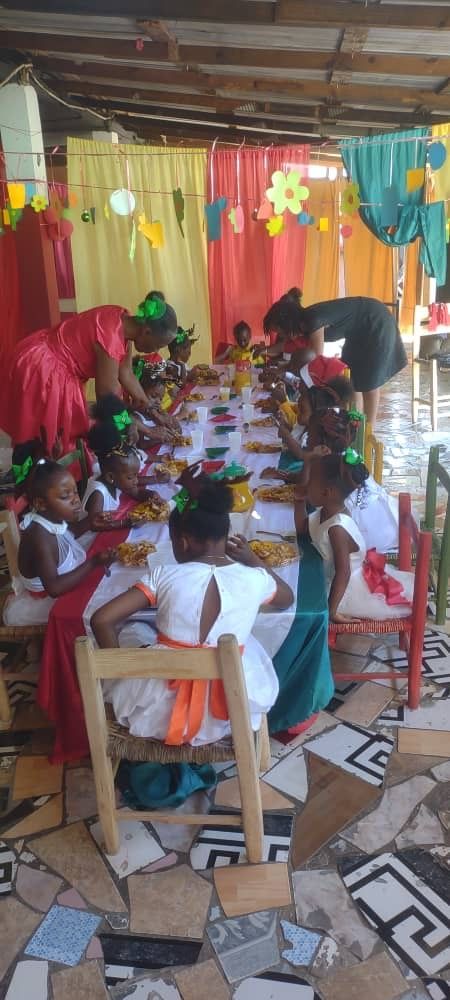
About $250 US a year, or less than a dollar a day, is all that more than half of Haitians have to live on. Unemployment is over 80%, and about 75% of the population lives in extreme poverty. Nearly 70% of Haitians depend on farming, mostly small-scale subsistence plots. In 1998, output per person was estimated at about $1,300 a year, measured by purchasing power.
Haiti Geography and Climate
Haiti covers 27,750 square kilometres, slightly smaller than the state of Maryland. It shares a 275 km border with the Dominican Republic and has 1,771 km of coastline on the Caribbean Sea and the North Atlantic Ocean. The land is mostly rough and mountainous, rising to 2,680 metres at Chaine de la Selle.
The climate is tropical, turning semiarid where mountains in the east cut off the trade winds. Haiti lies in the middle of the hurricane belt, and it also faces occasional flooding and earthquakes and periodic droughts. Extensive deforestation, soil erosion, and a shortage of safe drinking water are ongoing problems.
The People of Haiti
The 1999 estimate put Haiti's population at 6,884,264, with 42% of people aged 14 or younger. French is the official language, used by about 20% of the population, alongside Creole. In 1982, about 80% of Haitians were Roman Catholic and 16% Protestant, and roughly half the population also practised Voodoo. Literacy among people 15 and older was 45% in 1995.
History and Government
Haiti won its independence from France on 1 January 1804, and that date is still celebrated as Independence Day. The capital is Port-au-Prince, and the country is divided into 9 departments: Artibonite, Centre, Grand'Anse, Nord, Nord-Est, Nord-Ouest, Ouest, Sud, and Sud-Est. The flag has two equal horizontal bands of blue and red, with a white rectangle bearing the coat of arms and the motto L'Union Fait La Force, meaning Union Makes Strength.
Haiti's Economy and Daily Work
Haiti grows coffee, mangoes, sugarcane, rice, corn, and sorghum. Its industries include sugar refining, flour milling, textiles, cement, and light assembly. Skilled workers are in short supply, while unskilled labour is abundant. The currency is the gourde, divided into 100 centimes. Haiti's roads covered 4,160 km in 1996, and only 1,011 km were paved.
Health and Hunger in Haiti
Hunger in Haiti ranks third worst in the world, behind Somalia and Afghanistan. One third of all children die before age 5, and just 30% of children receive vaccinations. Childbirth-related infections, tuberculosis, malnutrition, and HIV/AIDS are among the leading causes of death. In 1999, infant mortality was estimated at 97.64 deaths per 1,000 live births.
How Love Haiti Mission Responds
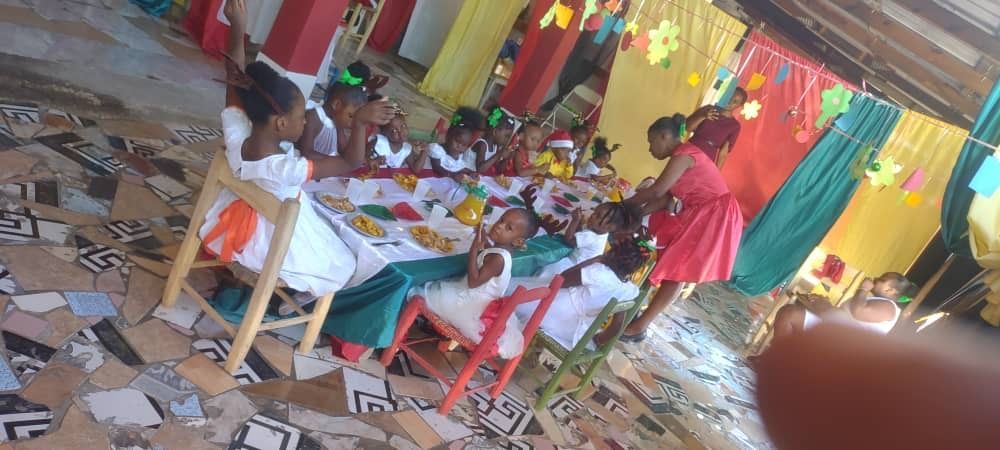
Haiti poverty statistics like these are the reason our programs exist. The Neply clinic offers prenatal care, vaccinations, and free medicine when supplies allow. Our food distributions bring rice and beans to village homes, church families, and students. Wells in Flonc and Ti Brache supply clean water, and the Ti Brache school teaches kindergarten through high school.
Where We Work in Haiti
Our programs reach four villages: Neply, Ti Brache, Marianni, and Flonc. All supplies and food are bought inside Haiti, including at the Leogane Market. See the full picture of our work in Haiti.
More Haiti Facts: Common Questions
When Is Hurricane Season in Haiti?
Severe storms hit most often between June and October. That's one reason we plan permanent church buildings to be as hurricane and earthquake proof as possible.
What Natural Resources Does Haiti Have?
The national estimate lists none. In 1993, only 20% of the land was arable and 5% was forest or woodland.
How Many Airports Does Haiti Have?
Haiti had 13 airports in 1998, and just 3 had paved runways.
What Does Haiti Export?
In 1997, Haiti exported $110 million in goods, and 76% went to the United States. Light manufactured goods made up 80.5% of exports, with coffee next at 7.6%.
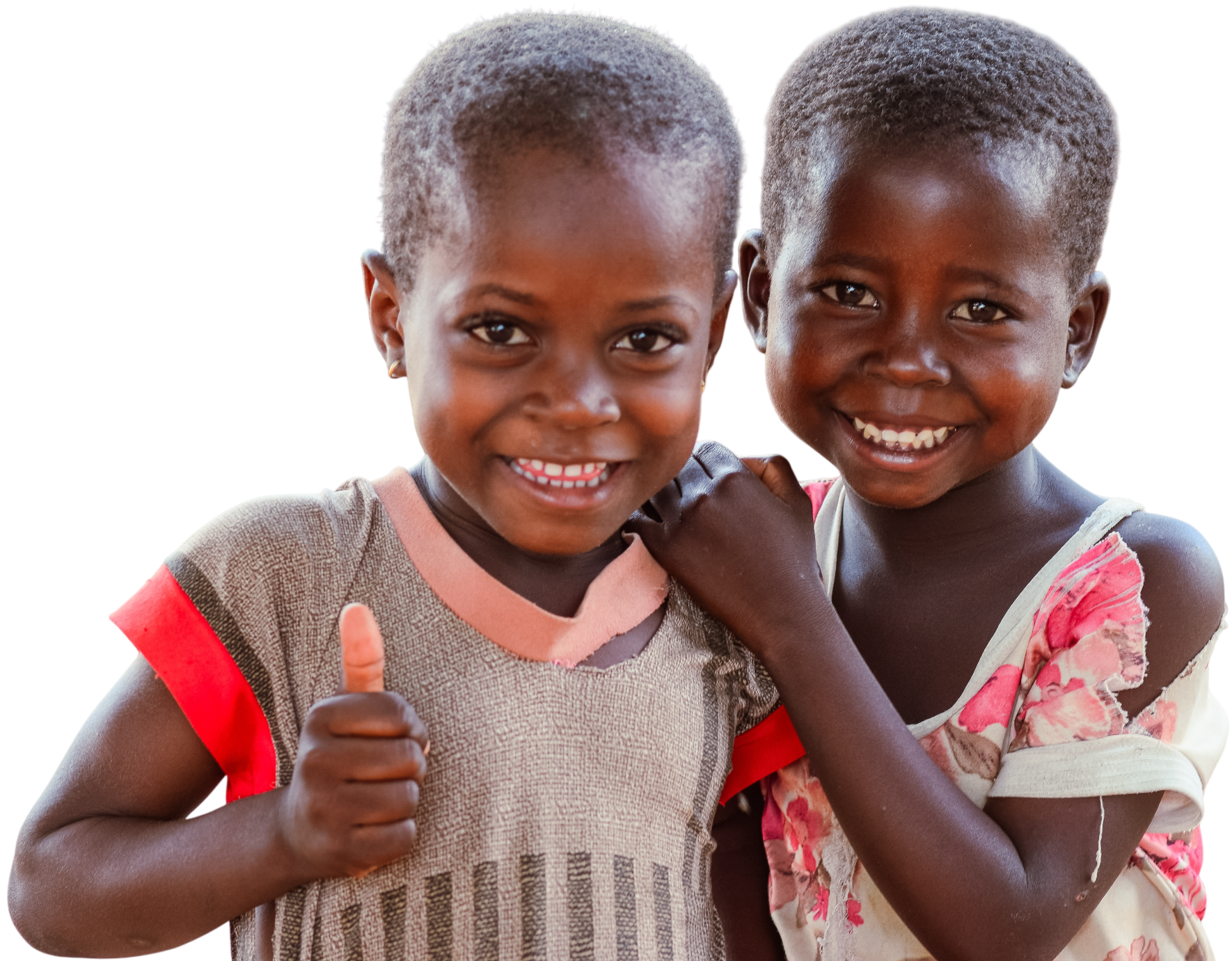
Help Change These Numbers
Numbers this large can feel out of reach. You can help one family at a time through monthly giving, daily prayer, or a week-long mission trip. Each gift goes to programs run by Haitians, in Haiti.