Community Projects in Haiti: Water, Shelter, and Livestock Care
Love Haiti Mission's community projects in Haiti go beyond food and medicine. In our four villages, we've drilled wells, built toilets, set up shelters after the 2010 earthquake, and kept village animals healthy. Each project answers a need families in Neply, Ti Brache, Marianni, and Flonc face.
What Do Community Development Projects in Haiti Include?
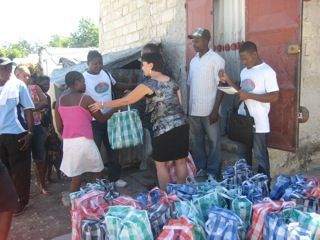
Ours include clean water wells in Flonc and Ti Brache, community toilets in Ti Brache, shelters for families left homeless by the earthquake, and vaccinations for village livestock. We also build churches and community buildings, always with Haitian work teams. Hot meals are served to people during community building projects.
Our Community Projects
Community Toilets
In Ti Brache, as many as 9 people once slept in a single tiny room of a stick hut. We built community toilets in the village to help stop the spread of disease and sickness.
Earthquake Shelters
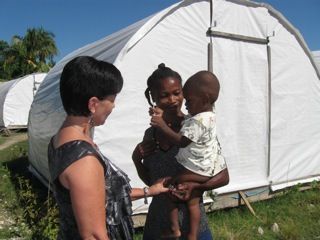
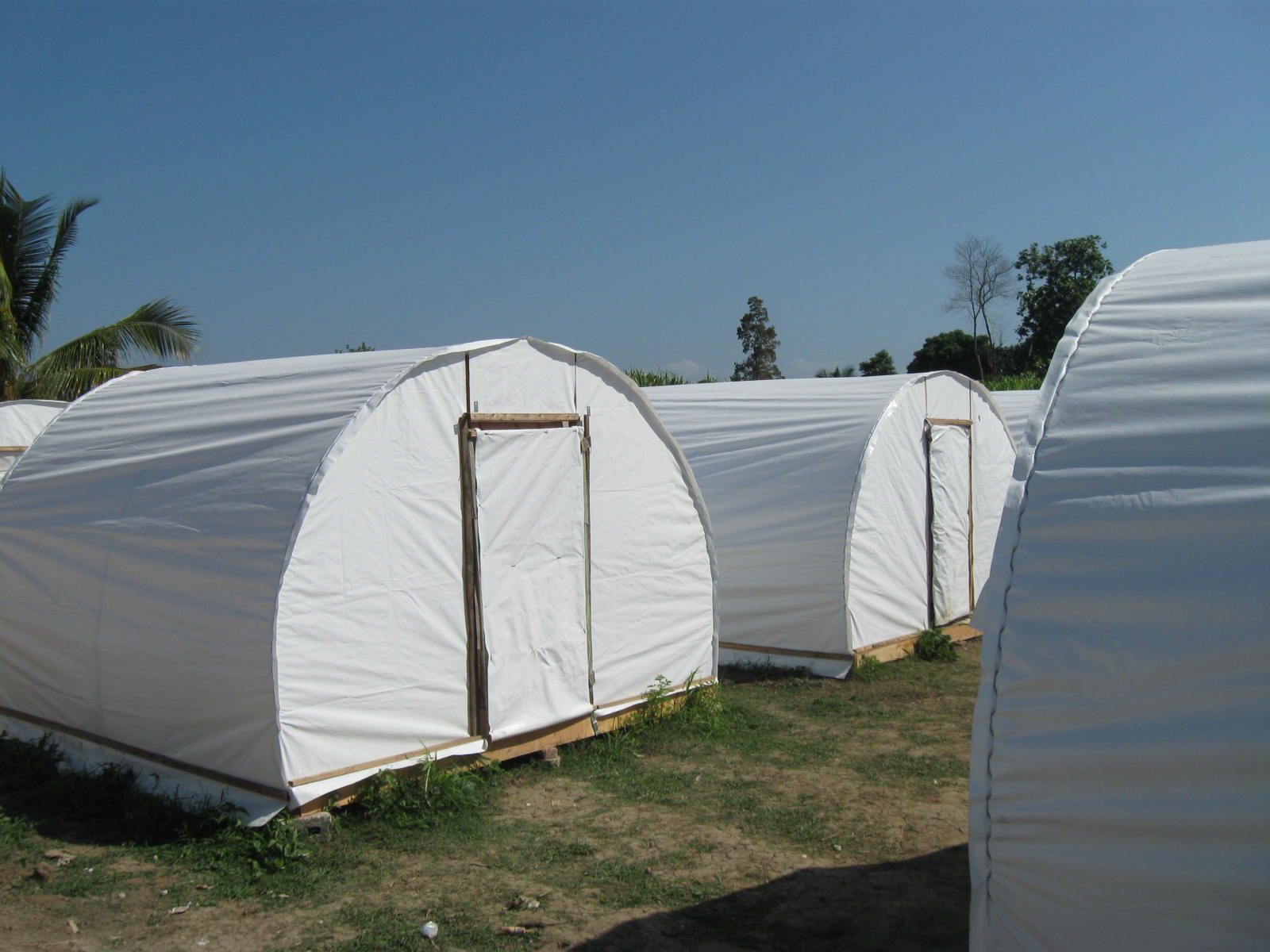
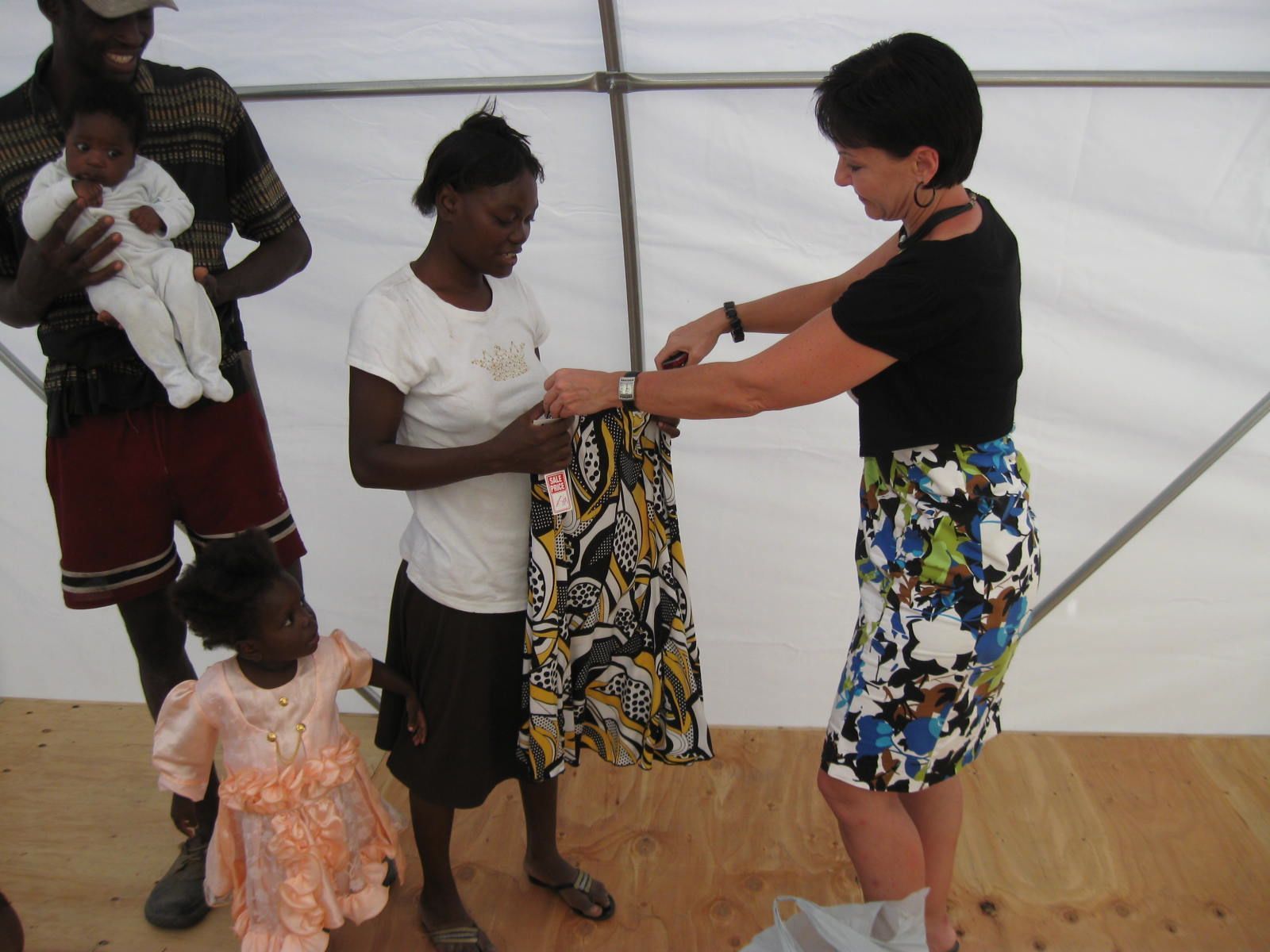
After the January 12, 2010 earthquake, many families in our area had nowhere to live. We supplied shelters to help, and then a full shipping container of them arrived in early 2011. Across Haiti, many people were still without housing a year after the quake.
Livestock Vaccination
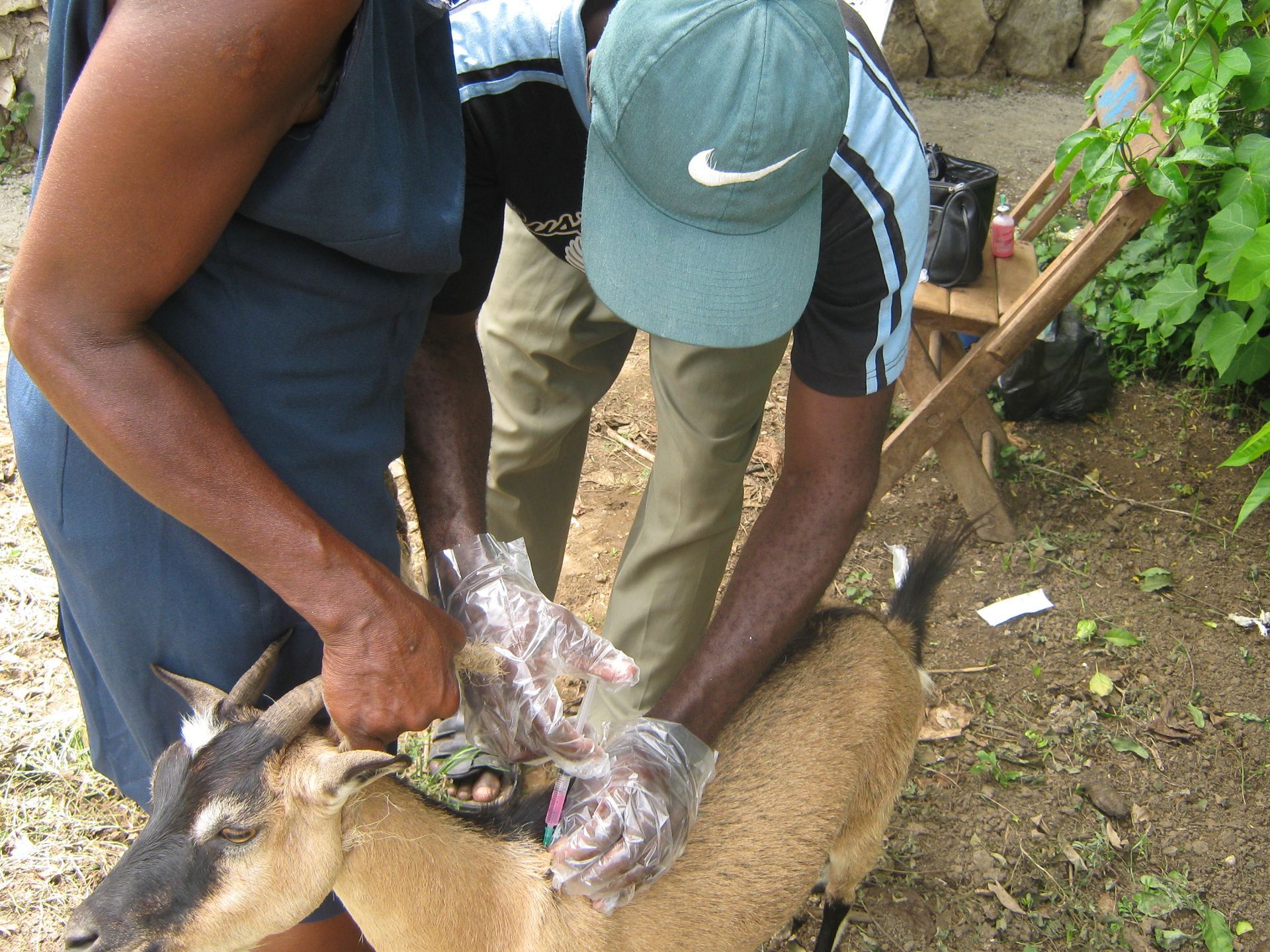
Dr Daniel, a Haitian veterinarian, works with the animals belonging to families in our villages. He vaccinates and deworms them, goats included.
Building With Haitian Work Teams
Our construction work includes churches, security walls, and the Neply church and community center project. In Flonc, the church and its security wall were rebuilt after the earthquake destroyed them. In Neply, a permanent church seating 1000 will replace the temporary one, and the project gives many local people paid work. The number of people at Neply church more than tripled after the earthquake, which is why the new building has to be large.
How We Run Community Projects
Haitians do the building. Every project is carried out by Haitian work teams with an engineer on site, and we never send visiting mission teams to do work a Haitian could be paid for. In villages like Ti Brache, where people had no job opportunities, paid construction work matters. Materials and supplies are bought inside Haiti, so the money spent on a project stays in the local economy.
Where Our Projects Are
The wells serve the village of Flonc and our Ti Brache community. Ti Brache also has the community toilets, and Neply is the site of the church and community center project. Dr Daniel's livestock care reaches families across the villages where we work. Learn more about all of Love Haiti Mission's programs.
Questions About Our Community Projects in Haiti
How Did a Full Container of Shelters Reach the Mission?
We expected 20 shelters on a shared container, but it cleared customs early and we were offered the whole container. The offer came with conditions: we had to arrange and pay for delivery and show we had the land and the manpower to assemble them.
Who Put the Shelters Together?
A few men travelled to Haiti with us and trained our Haitian work teams to assemble the shelters. Some shelters went on land we already had, and we rented more land behind it for the rest. Toilets were then built on the site for the families living there.
Did the Mission Share Shelters With Others?
Yes. We shared 45 shelters with another organization to help them out.
Why Vaccinate Village Animals?
For families in our villages, animals mean both income and food. When a goat stays healthy, the household is closer to providing for itself.
Why Is Clean Water Such a Need in Haiti?
Safe drinking water is in short supply across Haiti. When we first reached Flonc, people there lacked water as well as food and shelter.
Help Build the Next Project
Wells, shelters, and buildings take funding, and some needs are still waiting: more churches remained to be built as of 2011. Monthly partners and fundraiser organizers both help move these projects forward. You can also see the Ti Brache well video to watch one project in action.